Mythical Beings & World Folklore
Our six original companions, alongside a respectful exploration of folklore and sacred art. Cultural figures are not claimed as Lightkeepers creations.
Not all figures here are benevolent guardians. Sacred beings, tricksters and complex myths are presented for cultural learning, not as interchangeable mascots. No ceremonial authority, restricted rites or supernatural guarantees are claimed.
50 figures
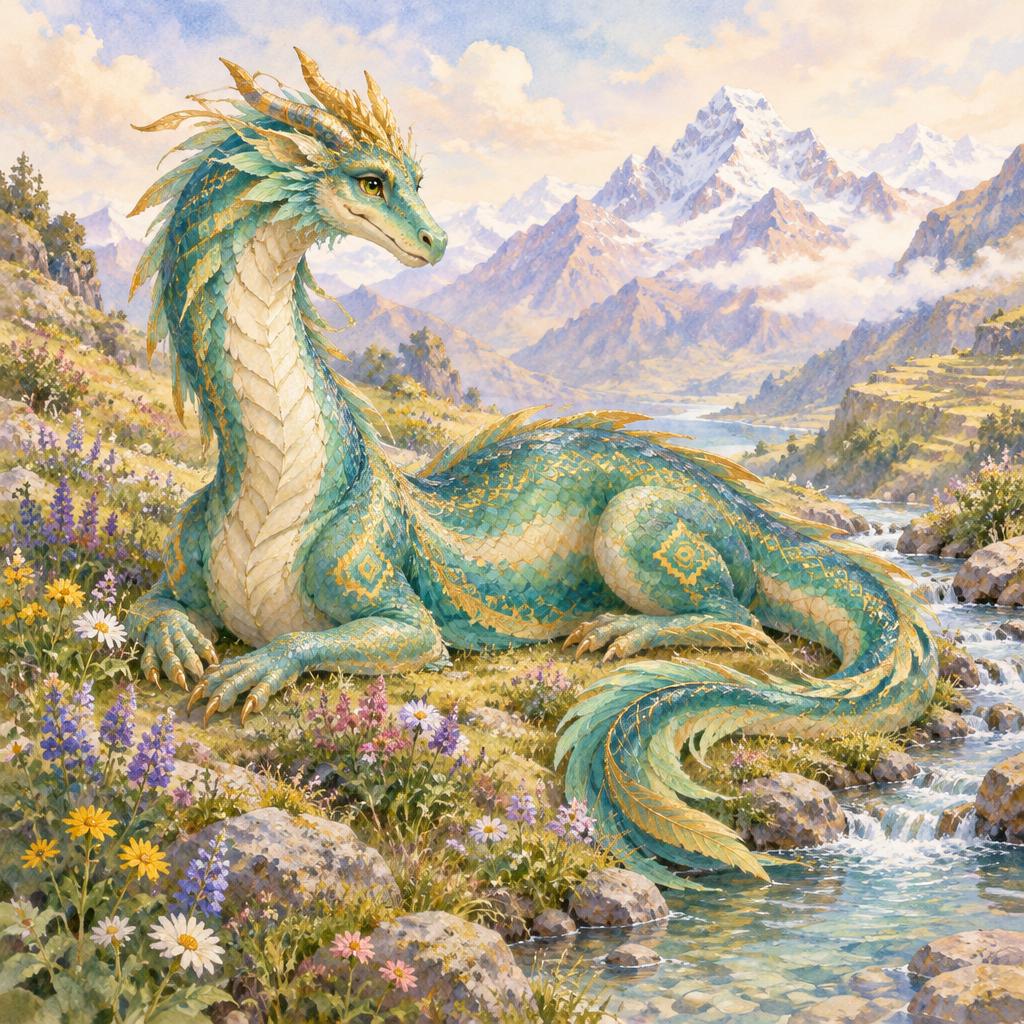
Original Lightkeepers fantasy
Original fantasy
Amaru
Guardian of Wisdom
Lightkeepers · original fantasy
One graceful, one-headed dragon of turquoise and gold, inspired by Andean imagery.
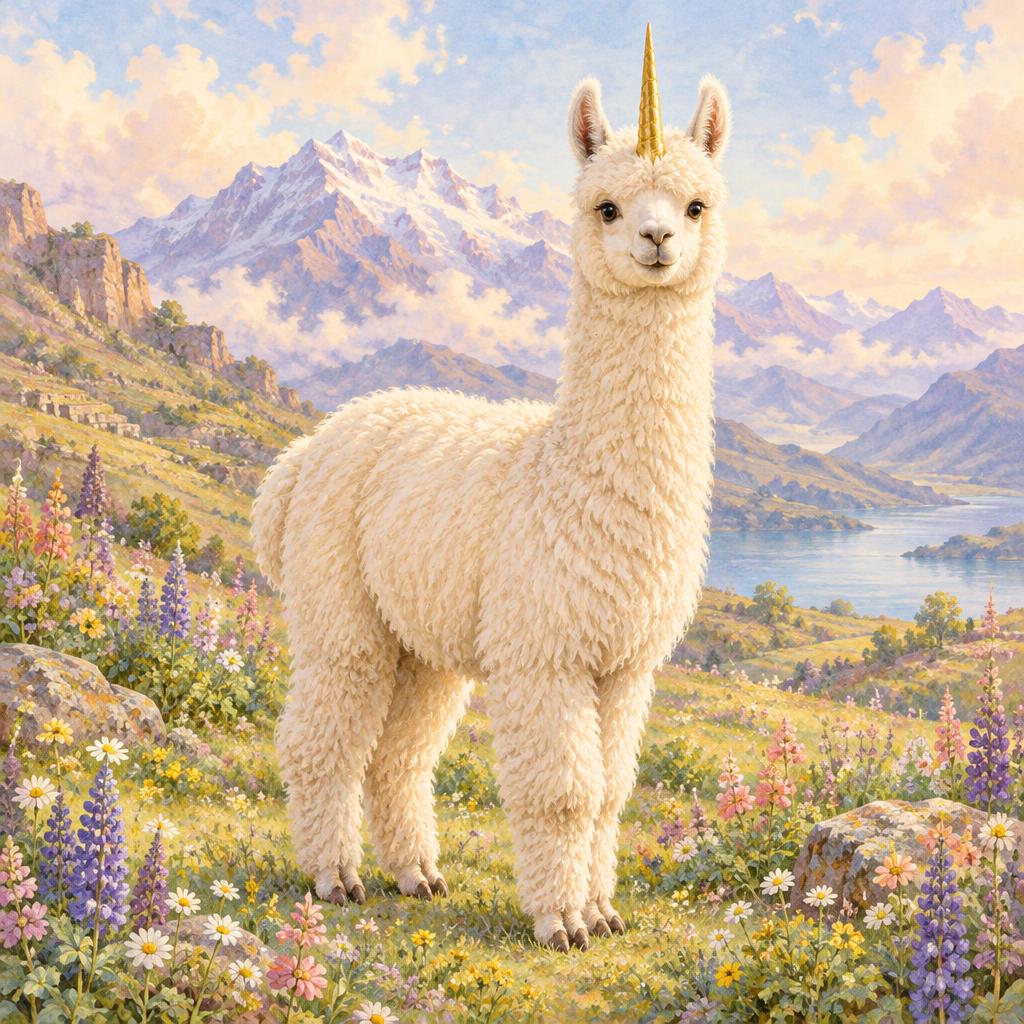
Original Lightkeepers fantasy
Original fantasy
Luminpaca
Guardian of Self-Love
Lightkeepers · original fantasy
A fluffy alpaca with a single golden horn, reminding you that you are enough.

Original Lightkeepers fantasy
Original fantasy
Pink River Dolphin
Guardian of Emotional Healing
Lightkeepers · original fantasy
Glides through glowing waters to help feelings flow gently.
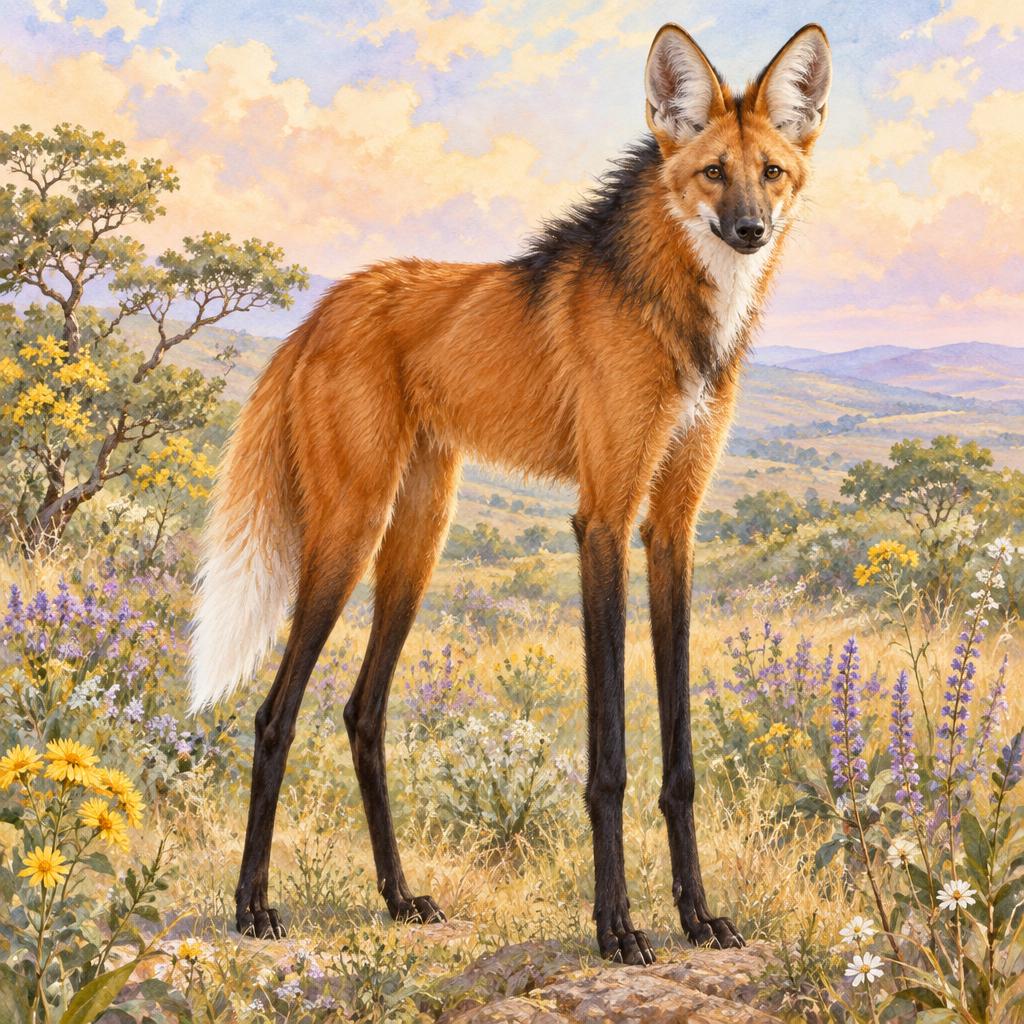
Original Lightkeepers fantasy
Original fantasy
Maned Wolf
Guardian of Courage
Lightkeepers · original fantasy
South America's long-legged, red-coated wolf — gentle, solitary and brave, guarding grasslands and forests.
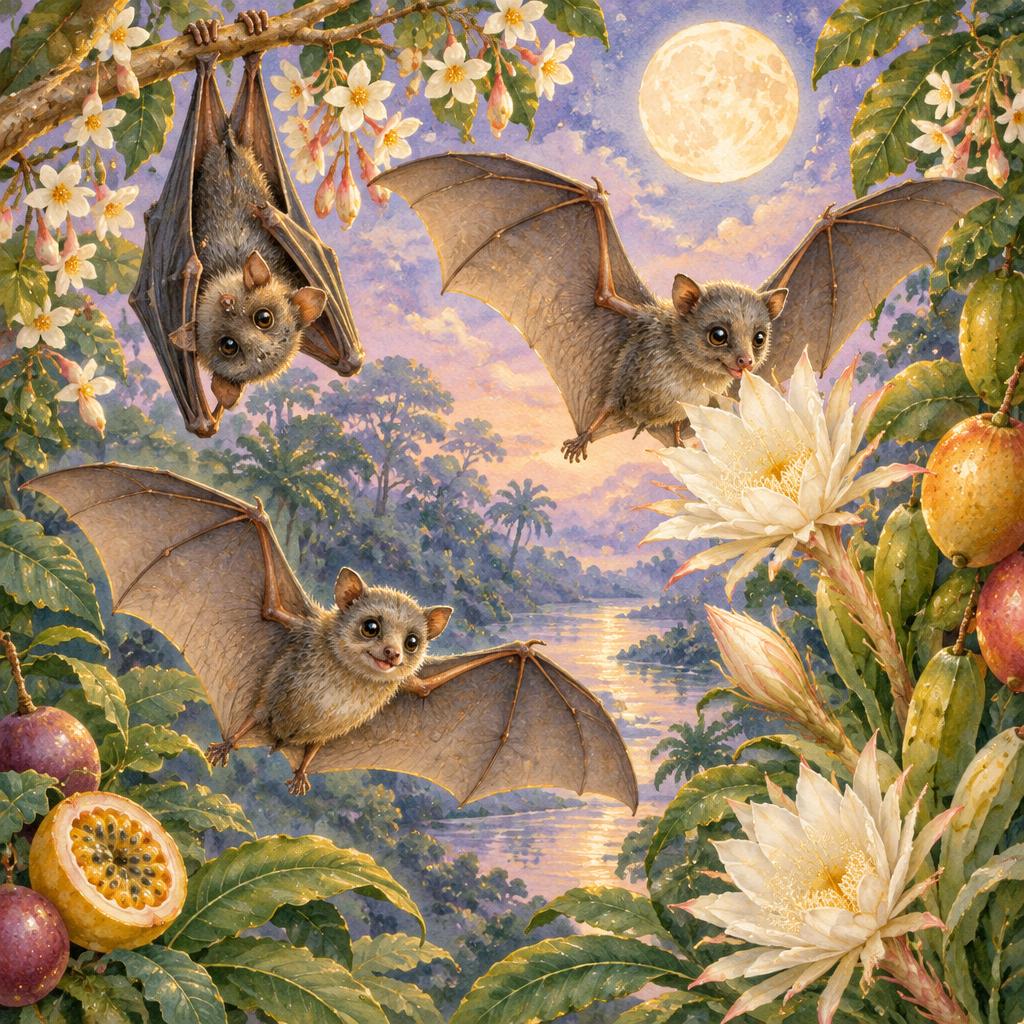
Original Lightkeepers fantasy
Original fantasy
Amazonian Bats
Guardians of the Night
Lightkeepers · original fantasy
Tiny heroes who pollinate flowers and plant forests.
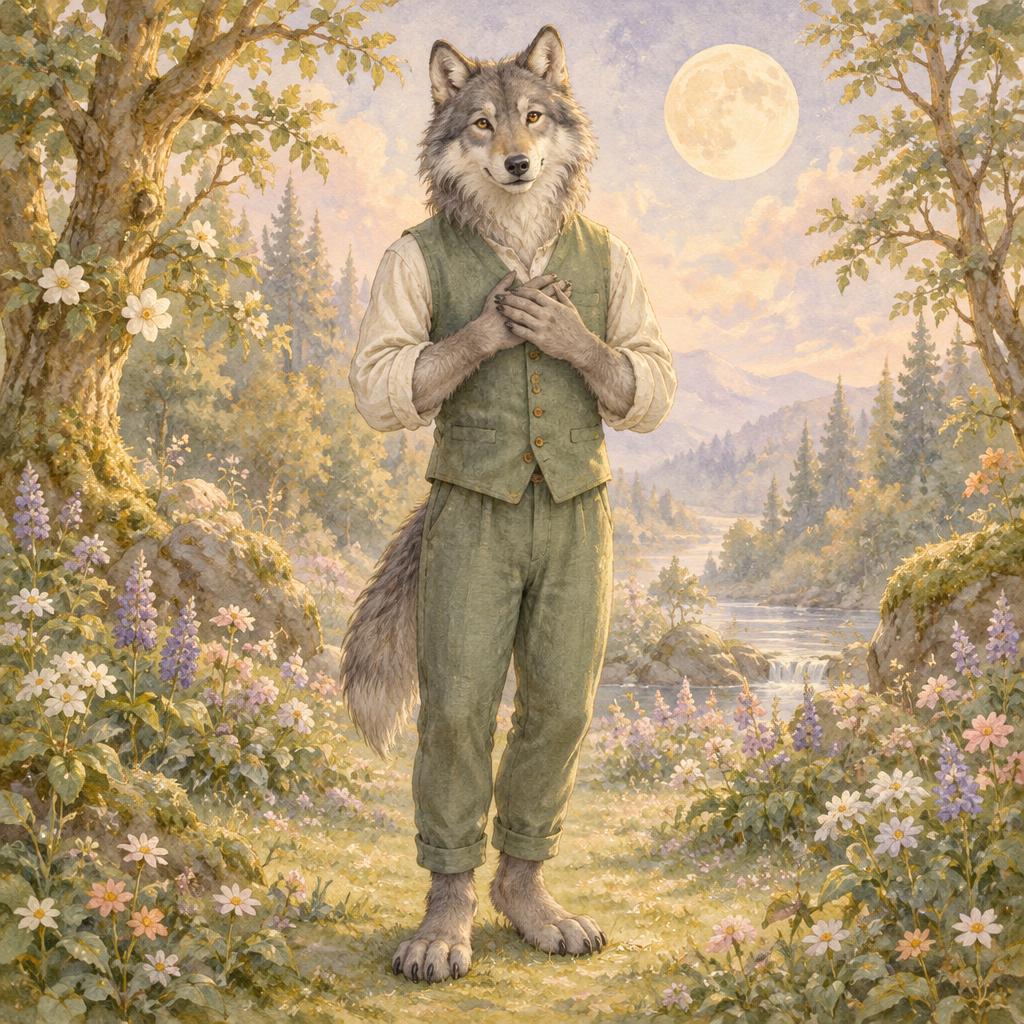
Original Lightkeepers fantasy
Original fantasy
Gentle Werewolf
Guardian of Transformation
Lightkeepers · original fantasy
Shows that change and complexity can be met with calm.
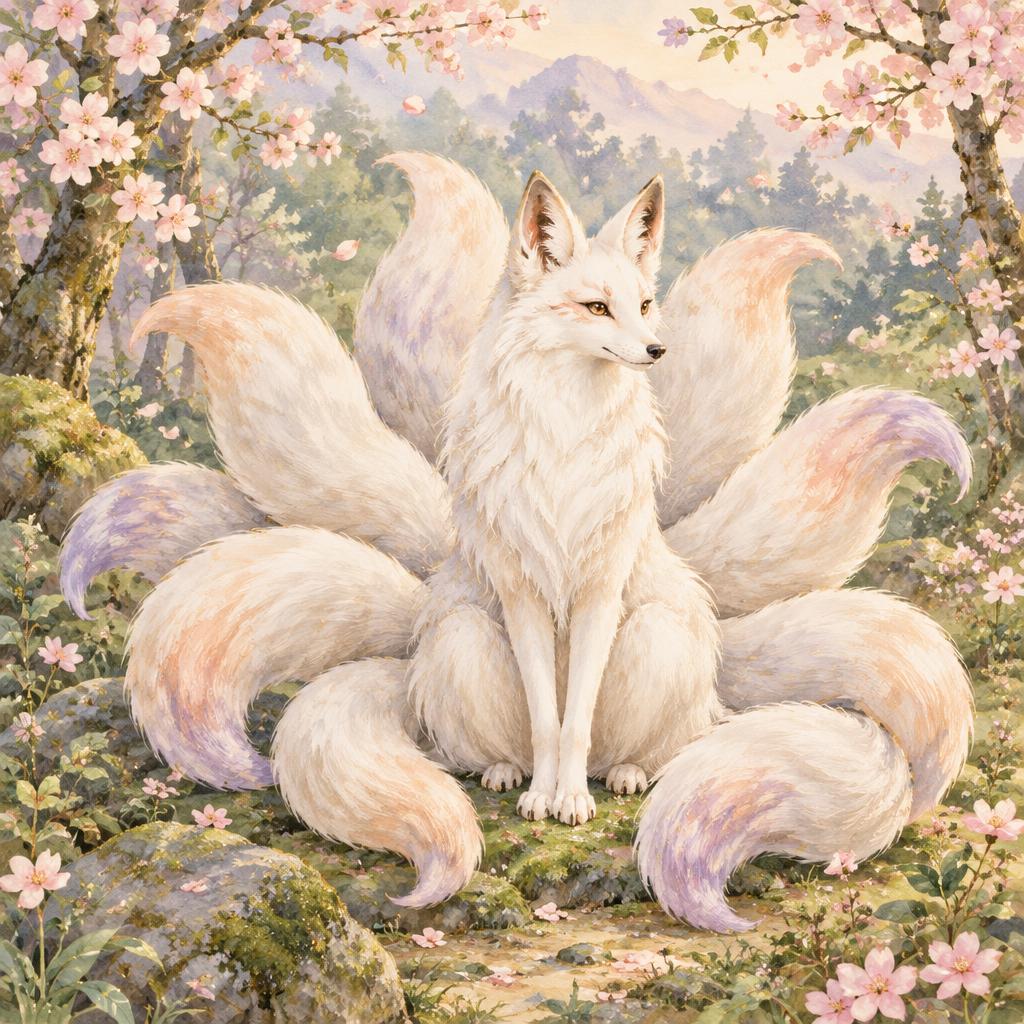
Traditional figure
Folklore figure
Kitsune
Adaptability & discernment
Japanese folklore
Kitsune are foxes in Japanese folklore, often described as shapeshifters with benevolent or mischievous roles. Foxes are also associated with Inari; they should not simply be equated with that sacred figure. This illustration is a contemporary interpretation.
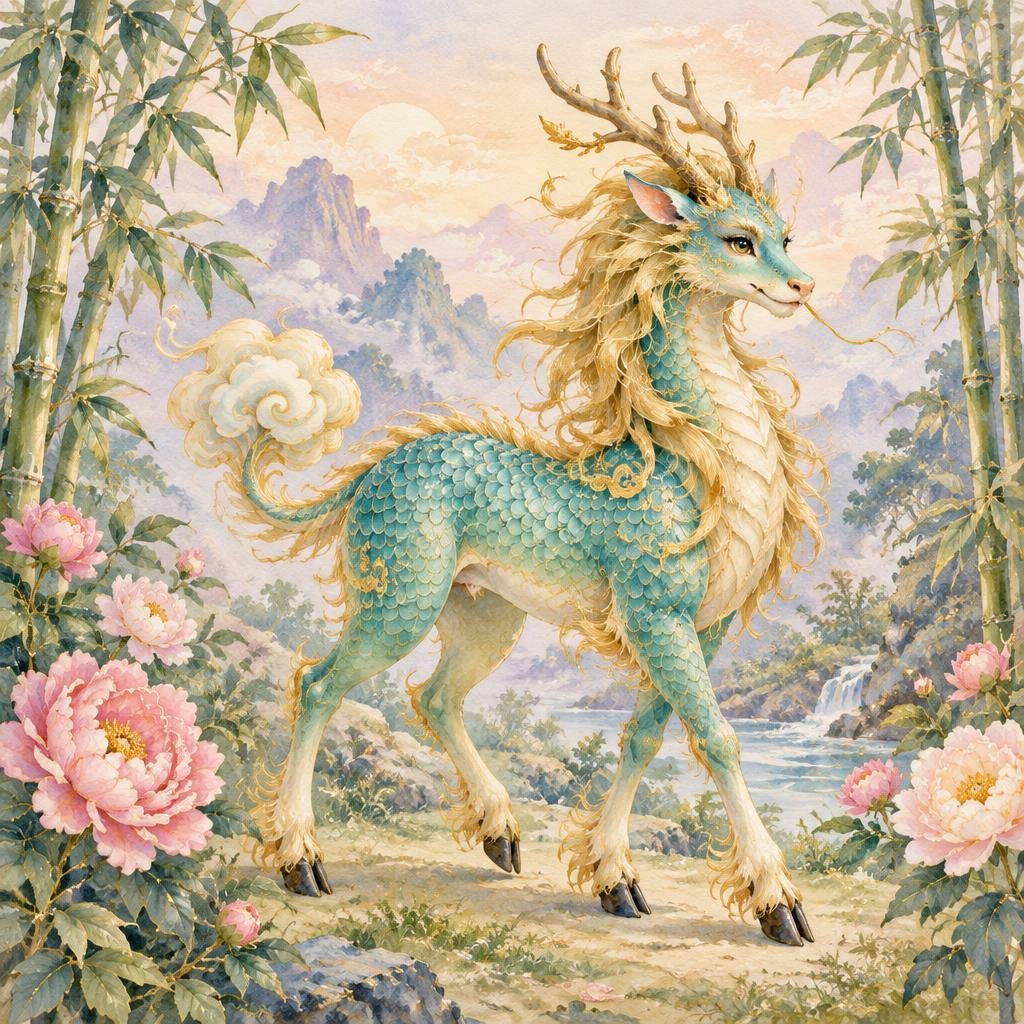
Traditional figure
Mythic creature
Qilin
Hope & thoughtful action
Chinese mythical traditions
The qilin is an auspicious mythical creature in Chinese art and traditions. Its appearance varies across depictions; this deer-shaped, scaled illustration is not a fixed historical model. The British Museum documents a Ming-dynasty qilin incense holder.
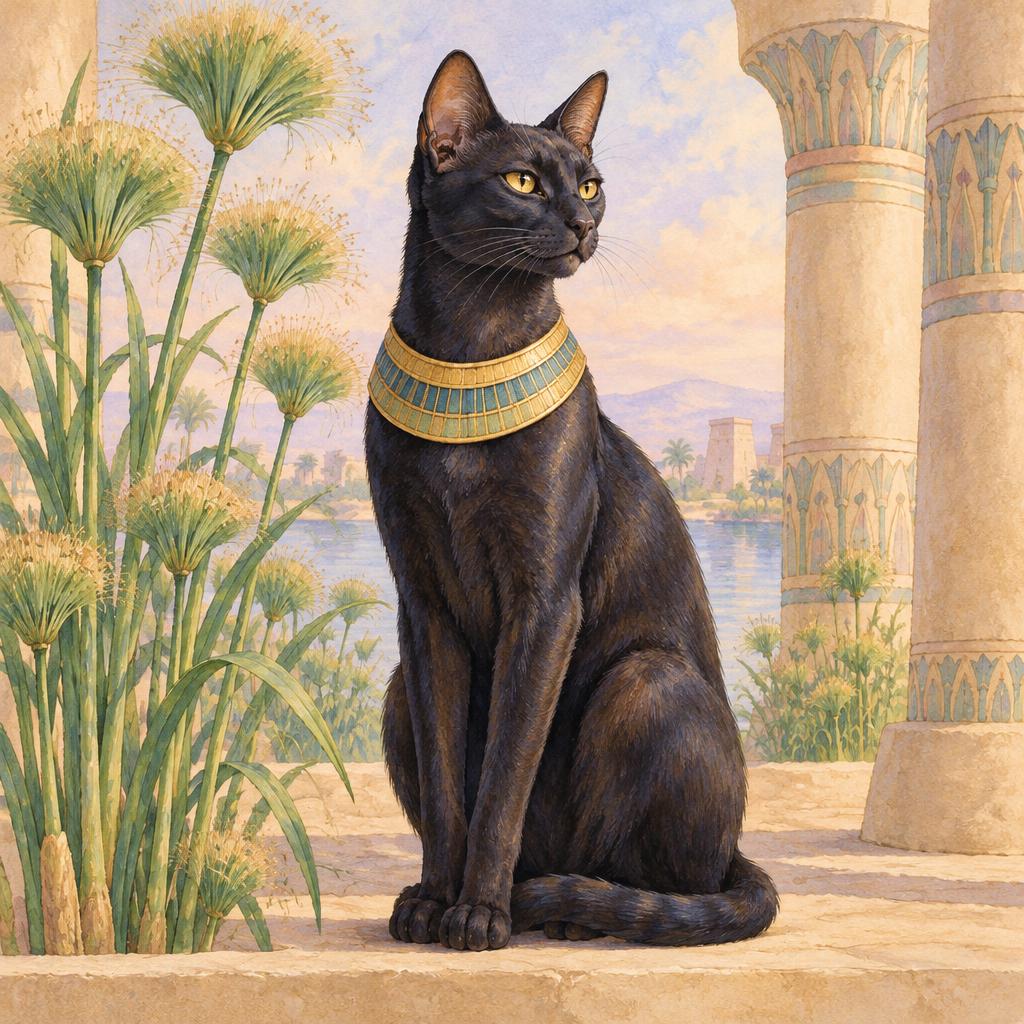
Traditional figure · Sacred figure · not a mascot
Sacred figure
Bastet
Protection & care
Ancient Egyptian religion
Bastet is an ancient Egyptian goddess, not a Lightkeepers mascot. The Metropolitan Museum describes her protective power and prosperity associations; cats were sacred to her and cat statuettes could be temple offerings. Religious figures may remain meaningful to contemporary practitioners. This is an artistic interpretation, not an object of worship or an authoritative rite.

Inspired by
Folklore figure
White Stag
Attentiveness & discovery
Celtic-inspired · medieval European & Arthurian literature
White stags appear in medieval European literature, including Arthurian romance, with varied meanings. This Celtic-inspired design is contemporary: it is not a single pan-Celtic deity, nor a claim that all Celtic cultures share one sacred story.
Traditional figure · Sacred figure · not a mascot
Sacred figure
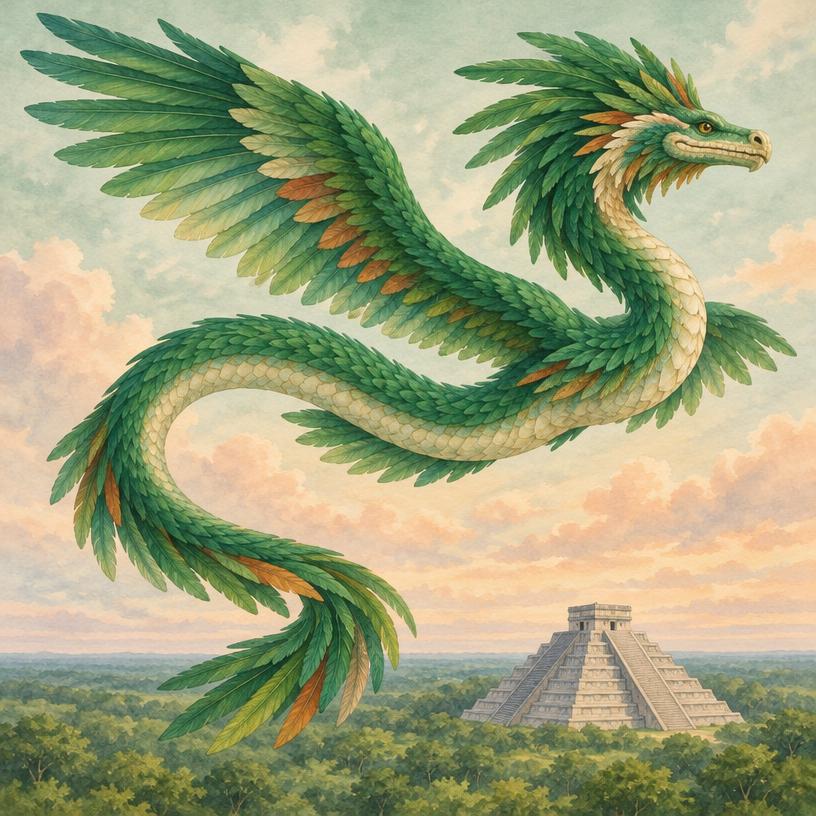
Kukulkan
Learning across differences
Yucatec Maya · Chichén Itzá
Kukulkan is the Feathered Serpent deity in the Chichén Itzá context, associated with rulership, the heavens and creation. This Maya context is not interchangeable with Mexica Quetzalcoatl, despite historical relationships between feathered-serpent traditions.

Traditional figure · Sacred figure · not a mascot
Sacred figure
Ix Chel
Careful interpretation
Yucatec Maya · Postclassic sources
Ix Chel is a Maya deity with multiple historical interpretations. Scholarship disputes the familiar simplified modern label “moon goddess”; identification and attributes require care. The textile scene is a contextual illustration only, not verified iconography or an assertion of a specific divine attribute.
Traditional figure · Sacred figure · not a mascot
Sacred figure
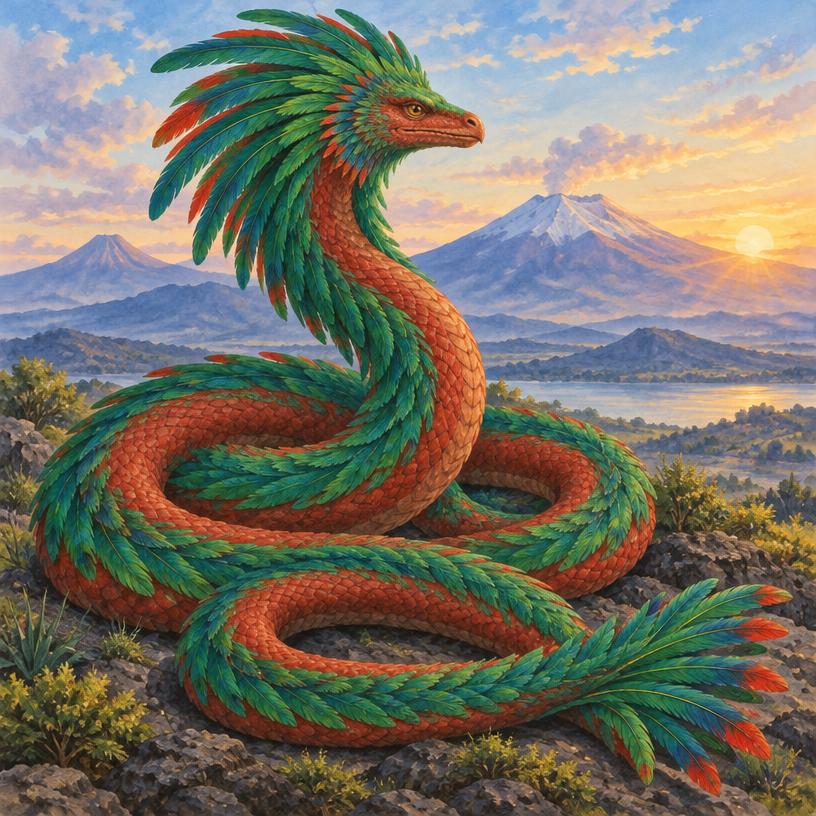
Quetzalcoatl
Curiosity & craft
Mexica · central Mexico
Quetzalcoatl is a major deity in Mexica traditions, commonly represented as the Feathered Serpent and also associated with Venus and priestly or craft traditions. Mesoamerican accounts differ across peoples and periods; this entry does not combine them into one universal deity.

Traditional figure · Sacred figure · not a mascot
Sacred figure
Tlaloc
Water & everyday care
Mexica · central Mexico
Tlaloc is a Mexica rain deity associated with agricultural sustenance. The Templo Mayor was dedicated to him and Huitzilopochtli. Rain imagery here is contextual, not a reconstruction of a sacred figure or ceremonial practice.
Traditional figure · Sacred figure · not a mascot
Sacred figure
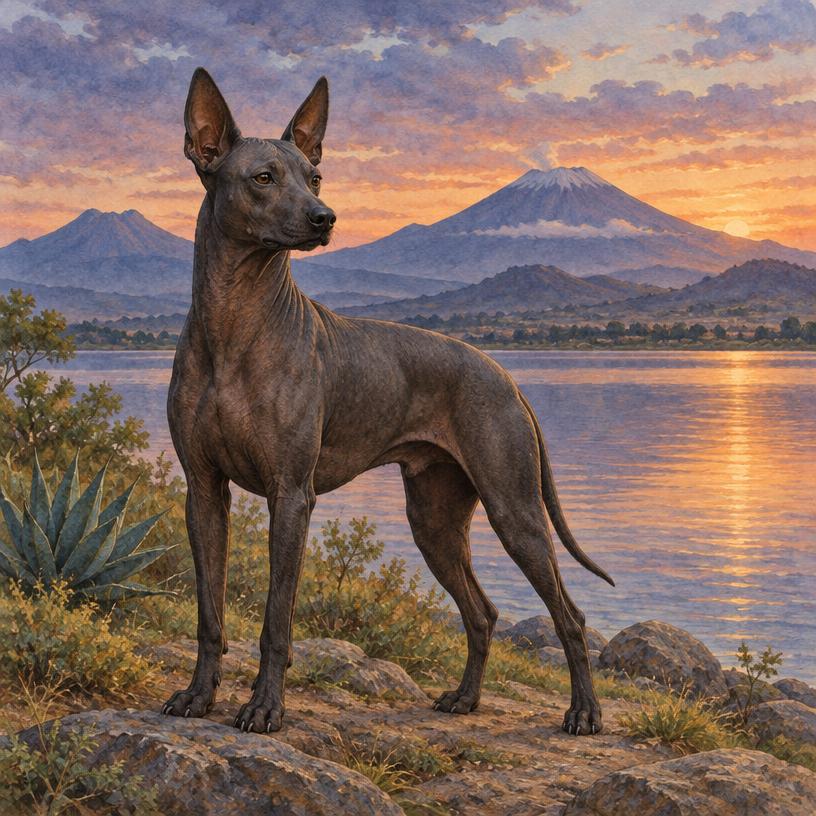
Xolotl
Companionship
Mexica · central Mexico
Mexica accounts describe Xolotl as a dog-headed deity and companion of Quetzalcoatl. The natural dog illustration is an interpretive visual reference to the canine association, not Xolotl’s authenticated appearance or a claim that an animal is the deity.
Traditional figure
Folklore figure
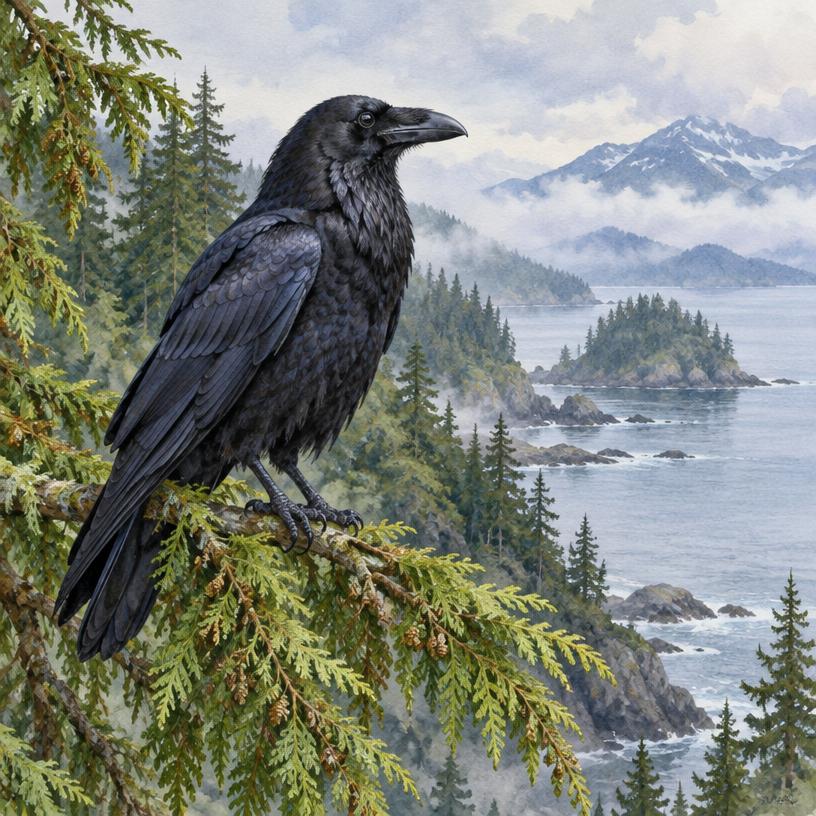
Raven · Haida contexts
Listening & attribution
Haida · Northwest Coast
Public museum accounts discuss Haida Raven narratives through works by Haida artists Bill Reid and Charles Edenshaw. These are specific Haida contexts, not a universal Northwest Coast story. Raven can be complex and trickster-like; this page does not retell restricted narratives or reproduce family-owned crest designs.

Traditional figure · Sacred figure · not a mascot
Sacred figure
Sedna · Sea Woman accounts
Regional knowledge & ocean care
Inuit · northeastern Canadian contexts
Sedna is a widely used name for a sea-being in Inuit accounts; names, narratives and portrayals vary regionally, with no single definitive iconography. This introduction uses northeastern Canadian scholarship, not a pan-Arctic version. It does not attribute Sedna to distinct Iñupiat, Yup’ik or Unangax traditions.

Traditional figure · Sacred figure · not a mascot
Sacred figure
Ọ̀ṣun
Freshwater care
Yorùbá · southwest Nigeria
Ọ̀ṣun is a Yorùbá divinity associated with rivers and fertility. The Ọ̀ṣun-Òṣogbo Sacred Grove is a living spiritual and cultural landscape. This river illustration is neither a replica of the grove nor sacred iconography; the entry does not equate Yorùbá devotion with Cuban Lucumí or Haitian Vodou.

Traditional figure · Sacred figure · not a mascot
Sacred figure
Ọya
Responding to change
Yorùbá · West Africa
Ọya is a Yorùbá deity associated with the whirlwind, documented in a Smithsonian shrine-figure record. Yorùbá religion is living and diverse. This weather scene is contextual only, without copied shrine art, invocation or claims about divine powers.
Traditional figure
Folklore figure
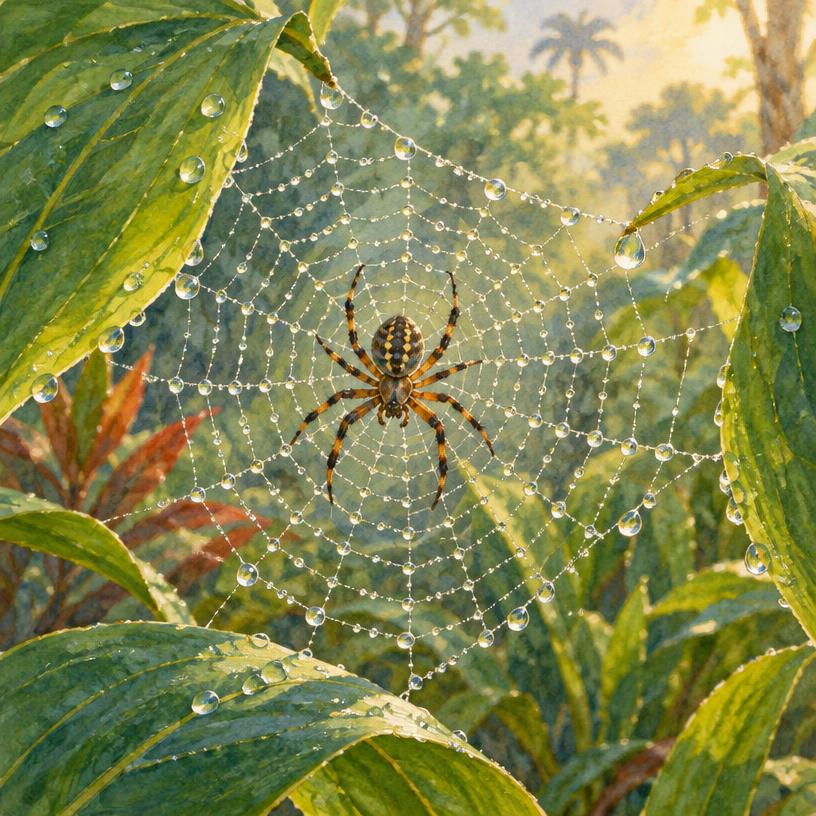
Anansi
Storytelling & consequences
Akan · Ghana and related storytelling
Anansi is a figure in Akan storytelling, often represented as a spider. Accounts include trickster complexity rather than simple universal benevolence. Stories have traveled and changed; this Akan-focused introduction does not flatten African or Caribbean versions into one account.

Traditional figure
Living tradition / cultural context
Zemí / cemí traditions
Heritage & respectful learning
Taíno · Caribbean
Zemí can refer to spiritual and vital forces related to deities and ancestors, and also to objects understood in relation to those forces. It is not the name of one interchangeable fantasy creature. Taíno identity and heritage continue today; no sacred carvings or ceremonial practice are reproduced here.

Traditional figure
Living tradition / cultural context
Haitian Vodou · living religion
Questioning stereotypes
Haitian Vodou · Haiti and diaspora
Haitian Vodou is a living religion and way of life with its own histories and communities. It is not a monster category or an interchangeable set of African deities. This educational overview links to the University of Florida archive; no lwa portrait, vèvè, altar or initiatory practice is supplied.
Traditional figure
Living tradition / cultural context
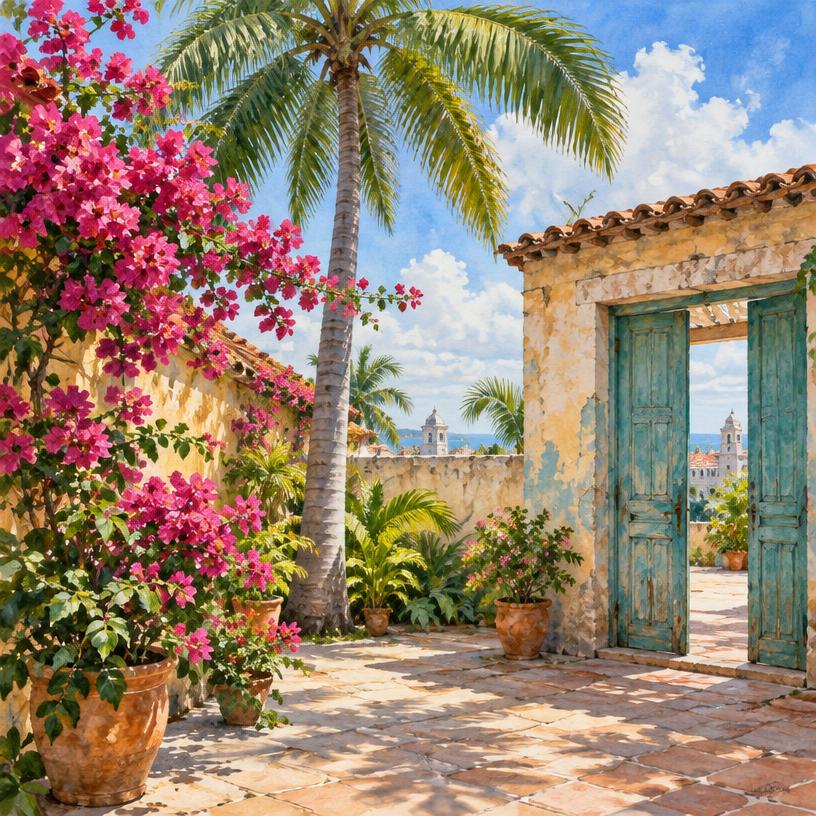
Cuban Lucumí / Regla de Ocha
Community & distinct histories
Cuban Lucumí · Cuba and diaspora
Lucumí, also called Regla de Ocha, is an Afro-Cuban living religion developed among Yoruba-descended communities in Cuba. It has its own history and practices and is not synonymous with Haitian Vodou or all Yorùbá traditions. This is a contextual introduction, not ritual instruction or a deity-selection guide.
Traditional figure
Mythic creature
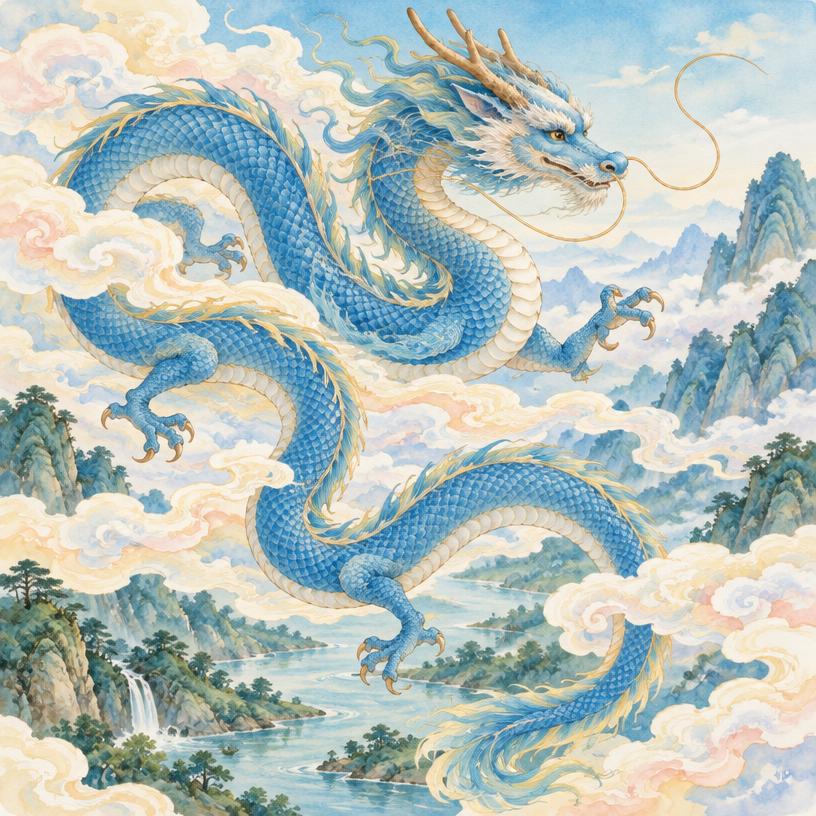
Lóng · Chinese dragon
Nuance & perspective
Chinese art and traditions
Lóng is the Chinese dragon, a mythical being with varied associations in Chinese art and traditions. It is distinct from European dragons and from the qilin; no single design or meaning represents every period or community.
Traditional figure
Mythic creature
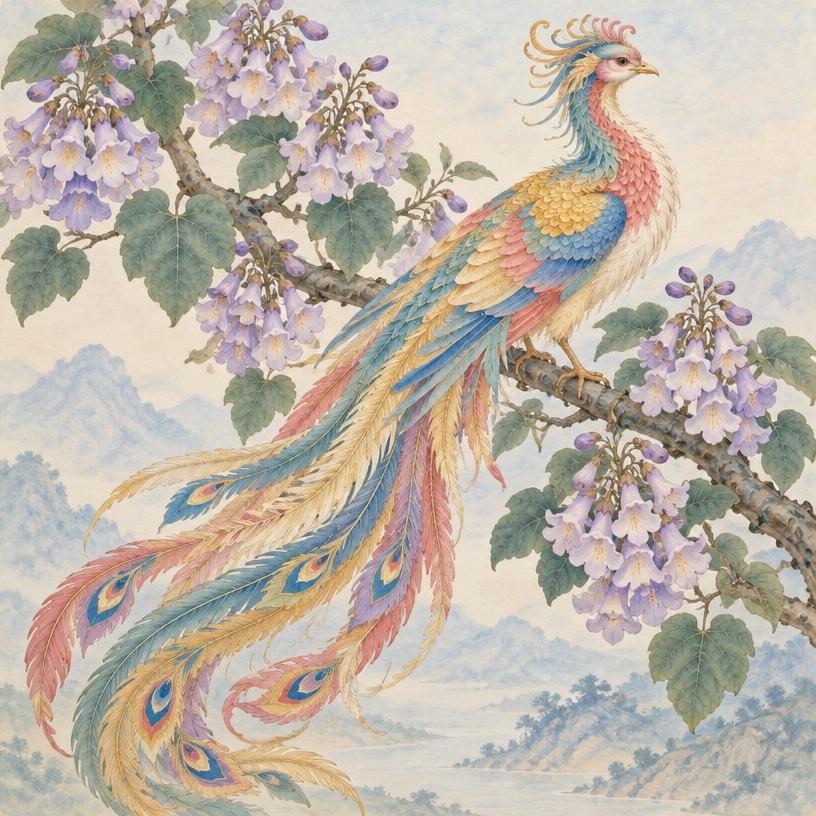
Fenghuang
Precision in language
Chinese art and traditions
Fenghuang is a legendary Chinese bird often paired with the dragon in art. The English term “phoenix” can mislead: this entry does not import the Western fire-and-rebirth story. Historical representations and associations vary.
Traditional figure
Folklore figure
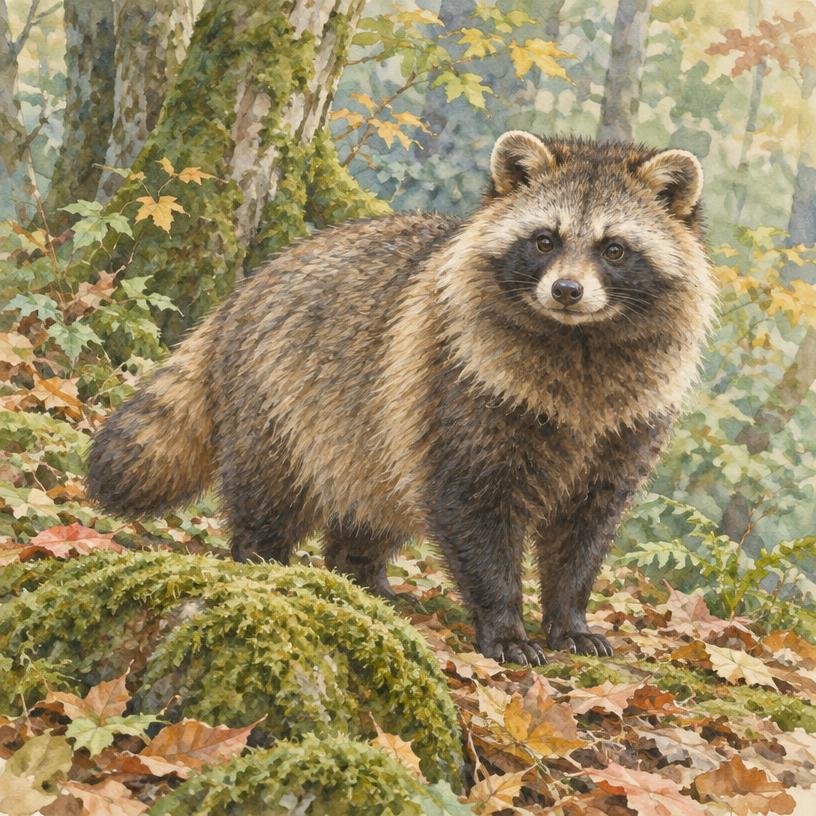
Tanuki
Adaptability
Japanese folklore
Tanuki names a real Japanese raccoon dog and a folklore figure often portrayed as a shapeshifter. Stories and popular figurines vary by place and period; they do not establish a universal deity or religious role.
Traditional figure
Folklore figure
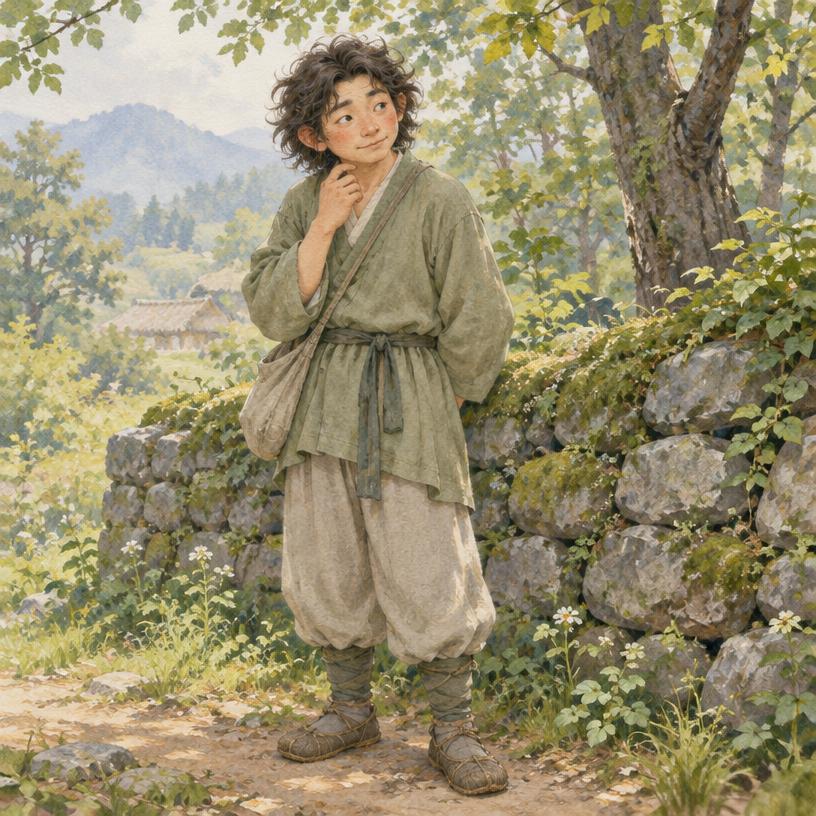
Dokkaebi
Beyond first impressions
Korean folklore
Dokkaebi are figures in Korean folklore whose accounts and portrayals have changed over time. The familiar horned ogre-like image is not the only representation. This humanlike illustration is explicitly interpretive, not definitive and not a Japanese oni.
Traditional figure
Mythic creature
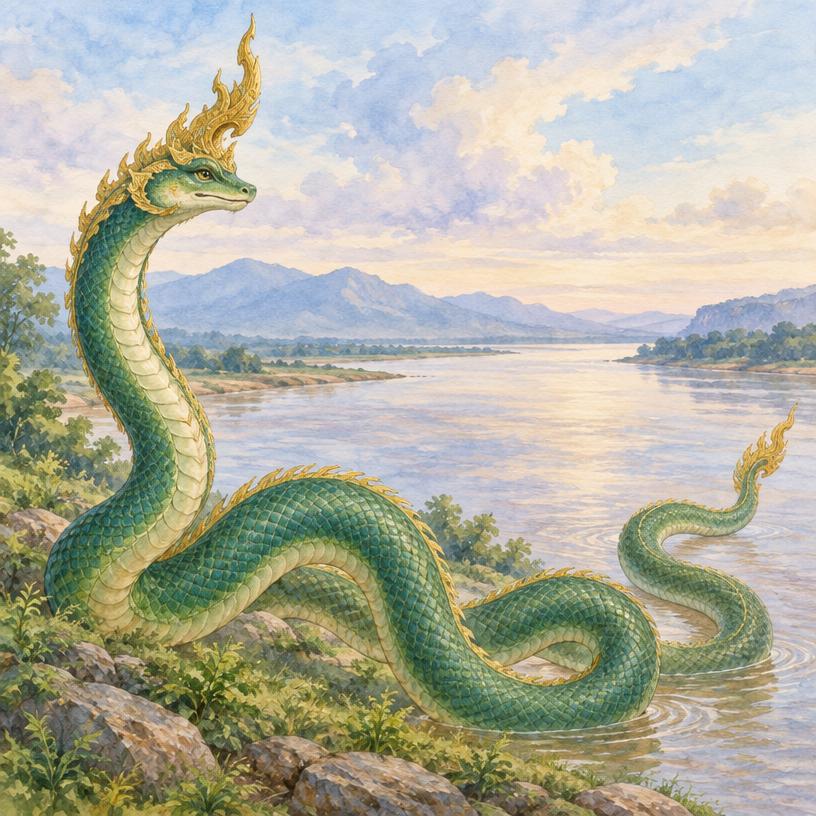
Naga · Thai contexts
Place & living significance
Thai · Buddhist and local Mekong traditions
Thai naga narratives include Buddhist stories and local accounts, with continuing religious and landscape significance. This Thai-focused introduction is not a universal version of South or Southeast Asian naga traditions. A mythic classification does not mean the being is merely a fantasy monster.
Traditional figure · Sacred figure · not a mascot
Sacred figure
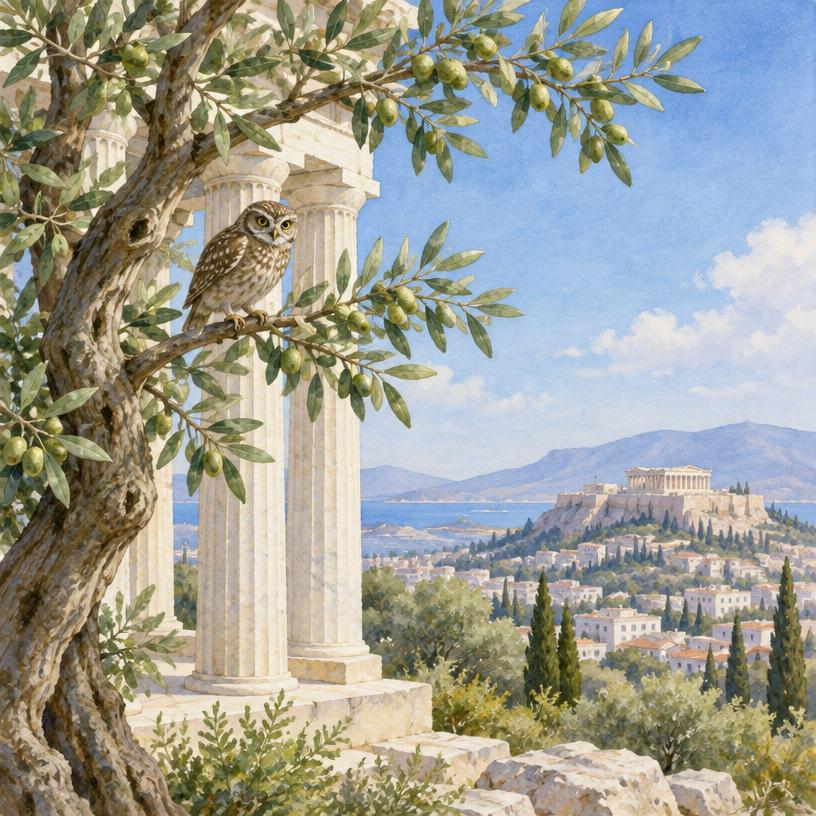
Athena
Wisdom & patient learning
Ancient Greek religion
Athena is a Greek goddess associated with wisdom, Athens and crafts. She belongs to a religious pantheon, not a mascot category; ancient deities may also matter to contemporary practitioners. The owl and olive landscape is contextual, not her likeness.

Traditional figure · Sacred figure · not a mascot
Sacred figure
Thor
Steadiness
Norse and Germanic traditions
Thor is a thunder god known in Norse and wider Germanic traditions, with stories associating him with a hammer. These traditions are not identical across all Northern Europe, and contemporary religious significance is respected. The fjord storm is contextual, not a deity portrait or copyrighted modern character.

Traditional figure · Sacred figure · not a mascot
Sacred figure
Ganesha
Thoughtful beginnings
Hindu traditions · South Asia and diaspora
Ganesha is a Hindu deity widely associated with beginnings and removal of obstacles, actively venerated today. Hindu traditions are diverse; this page offers no ritual instruction or promise of removing life problems. The natural elephant image is contextual, not an authenticated divine likeness.

Traditional figure · Sacred figure · not a mascot
Sacred figure
Māui · Māori accounts
Place & attribution
Māori · Aotearoa New Zealand
Te Ara presents Māui fishing up the North Island within Māori traditions connected with tribal histories and land tenure. This is not a single account for all Polynesian peoples; iwi traditions and other Pacific Māui accounts are distinct. The coastal illustration does not copy sacred designs or claim an ancestral likeness.

Traditional figure
Folklore figure
Boto Encantado · enchanted dolphin legend
Charm & discernment
Amazonian riverine folklore · Brazil & neighbours
This is the LEGEND, distinct from the real animal (see the Pink River Dolphin entry). In many riverside communities of the Brazilian Amazon, stories tell of the boto encantado, a dolphin able to take human form — often a charming stranger in a white hat at a festival — who returns to the river before dawn. Versions vary by community and include cautionary tales; the legend is folklore, not a description of real dolphin behaviour.
Traditional figure
Mythic creature
Sirens (Seirēnes)
Attention & self-command
Ancient Greek myth
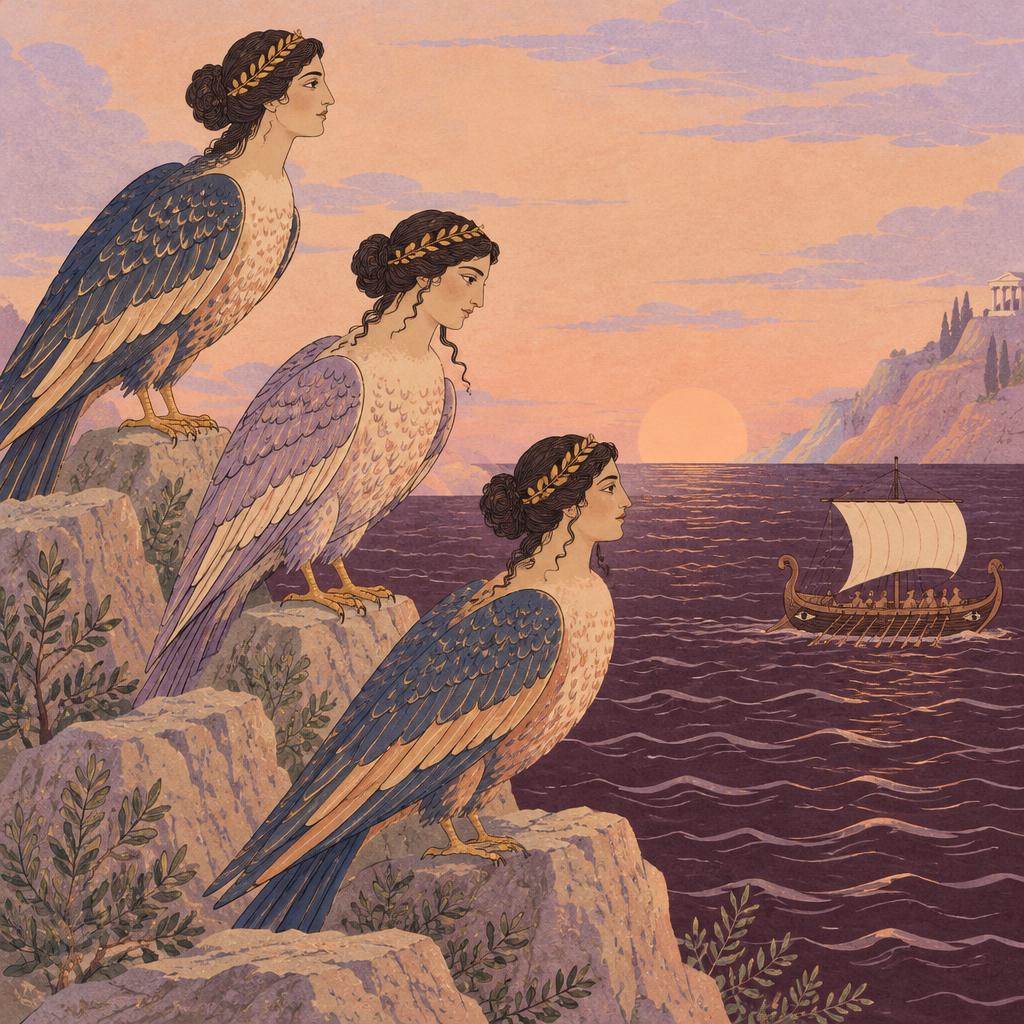
In Greek myth the Sirens were usually imagined as part-bird, part-woman singers whose song lured sailors to danger, as in Homer's Odyssey. The fish-tailed 'mermaid siren' is a later, mainly medieval European blending — Spanish 'sirena' still carries both meanings. Not benevolent guardians.

Traditional figure
Folklore figure
Iara / Yara
Respect for rivers
Brazilian Amazonian folklore
Iara (Yara) is a river 'mother of waters' figure in Brazilian folklore, often described as luring people into the river with song. Scholars note the popular mermaid image blends Tupi-language river-spirit lore with European and African water-spirit motifs; it should not be presented as one unchanged Indigenous belief.
Traditional figure
Folklore figure
Rusalka
Honoring unfinished stories
Slavic folklore · Eastern Europe
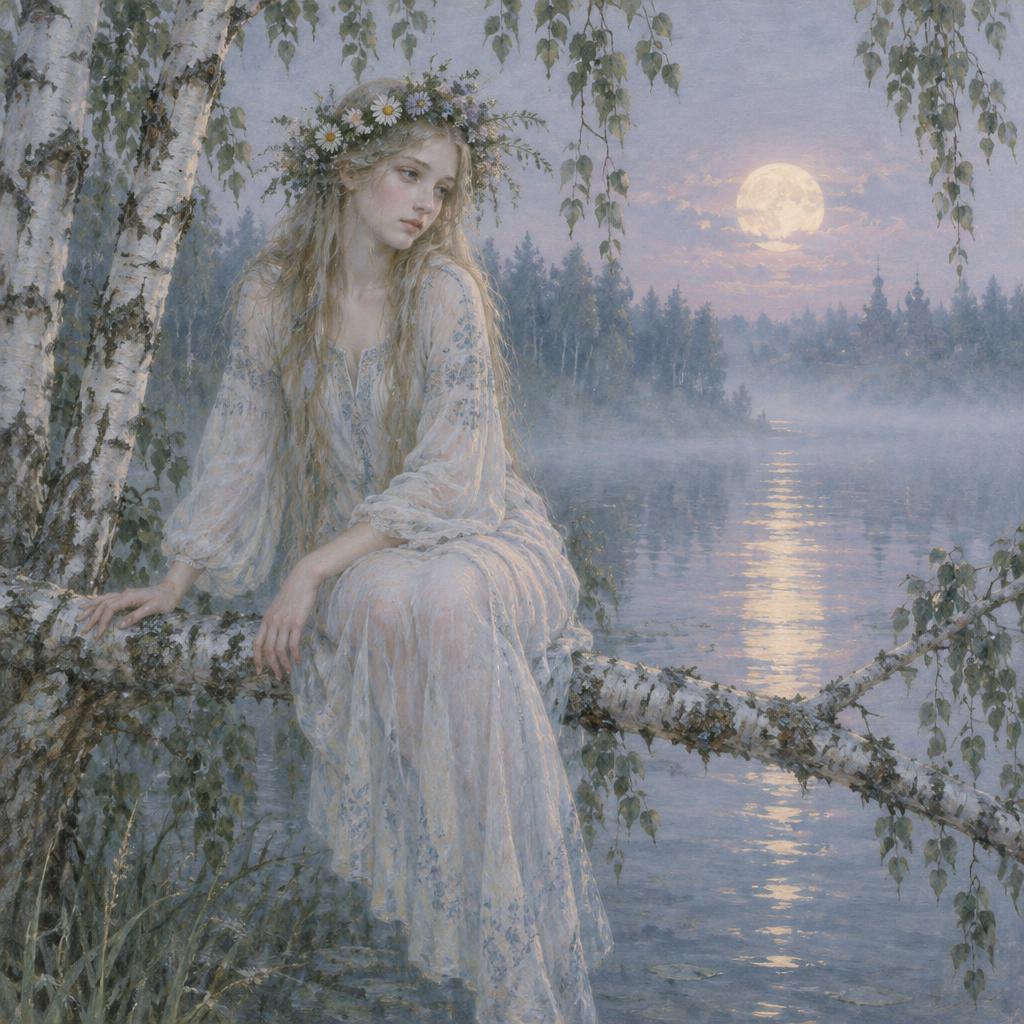
Rusalki are water or field spirits in East Slavic folklore, often linked to young women who died untimely deaths and to the early-summer 'Rusalia' week. They are usually not fish-tailed and are often dangerous rather than protective. Beliefs differed widely by region.
Traditional figure
Folklore figure
Ningyo
Accepting impermanence
Japanese folklore
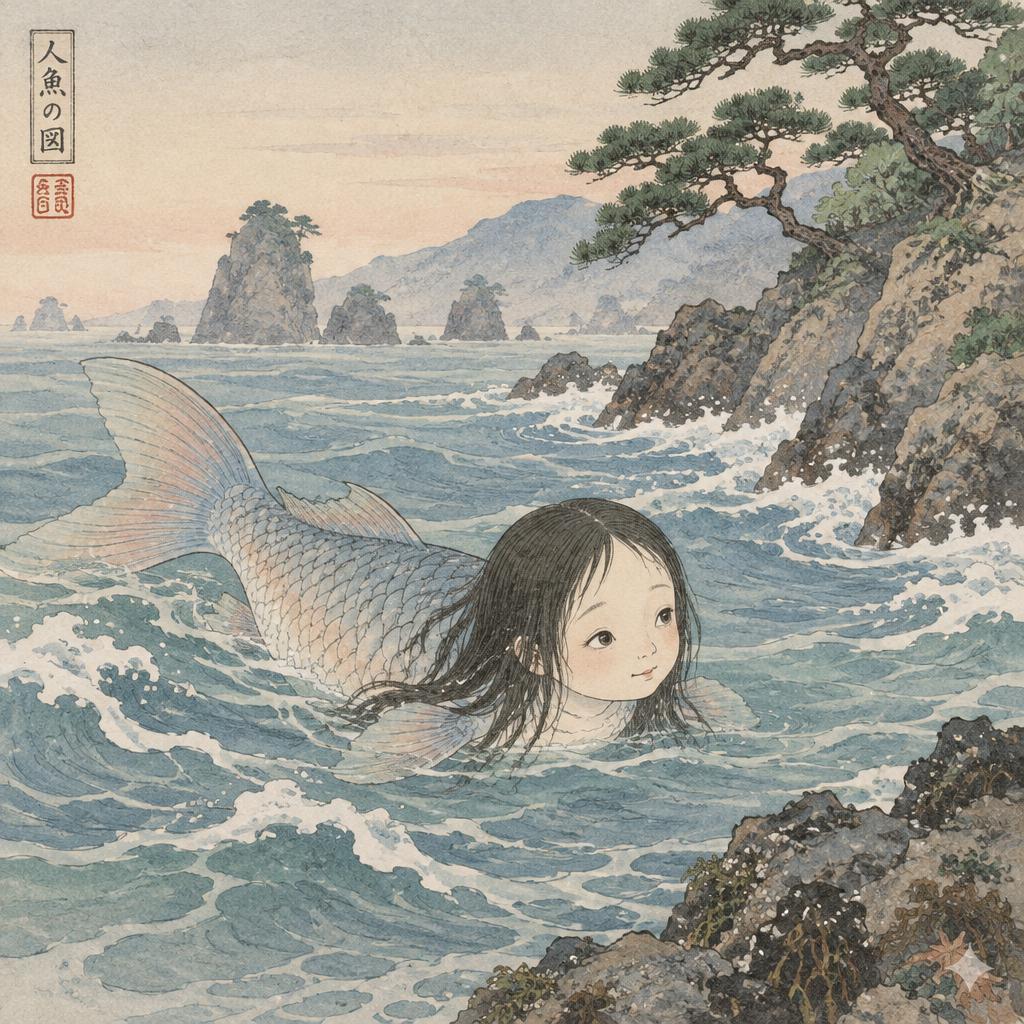
Ningyo ('human-fish') appear in Japanese folklore as fish-like creatures with human faces, quite unlike the European mermaid. Some tales say eating ningyo flesh grants long life, as in the legend of Yao Bikuni; sightings were sometimes read as omens. The Japanese text in the illustration is decorative.

Traditional figure · Sacred figure · not a mascot
Sacred figure
Mami Wata
Respect & reciprocity with water
West & Central African and diaspora water-spirit traditions
Mami Wata names a widespread, living family of water-spirit veneration across West and Central Africa and the African diaspora, associated with wealth, beauty, healing and danger. The Smithsonian's National Museum of African Art notes her imagery absorbed influences from many cultures. She is honored by practitioners and is not a mascot; this page offers no rites, and the illustration shows only symbolic objects, not the spirit herself.
Traditional figure
Folklore figure
Duende
Curiosity about local stories
Iberian word · varied Spanish-speaking folklore
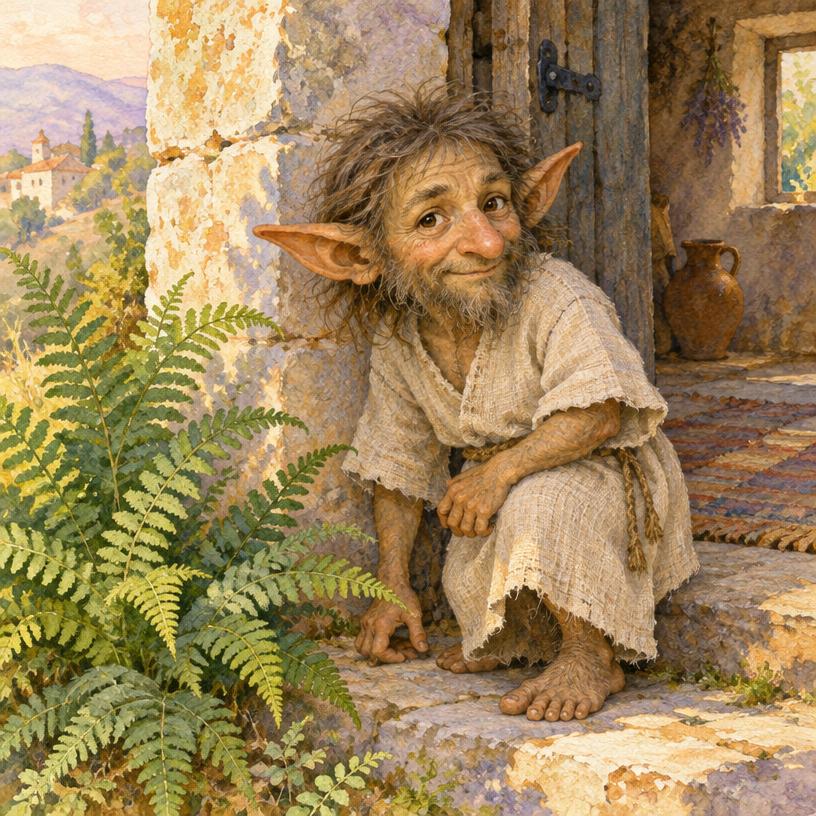
The Spanish dictionary describes a duende as a spirit imagined in houses that causes disturbances. Stories in Spain and Latin America vary by place; this introductory word profile does not claim a single shared creature or ancient origin. Lorca’s artistic use of duende is a different meaning.
Traditional figure
Folklore figure
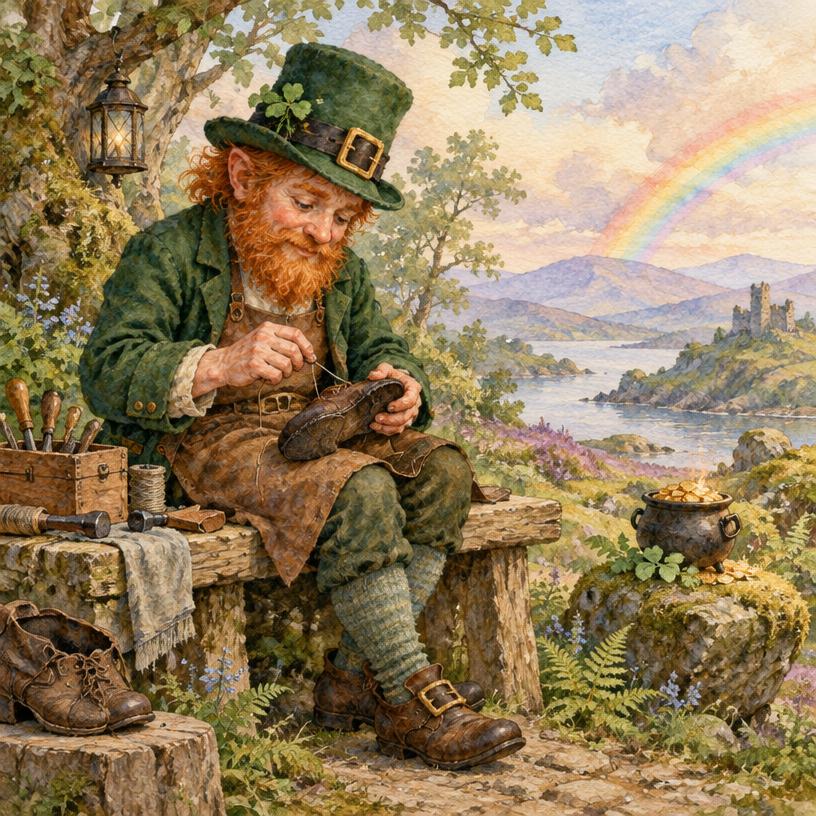
Leprechaun
Resourcefulness
Irish folklore
The leprechaun is commonly described as a solitary shoemaker who may reveal hidden gold if caught. The familiar rainbow and pot-of-gold scene is treated here as popular imagery, not evidence of an ancient origin. This illustration includes those motifs as a contemporary interpretation.
Traditional figure
Folklore figure
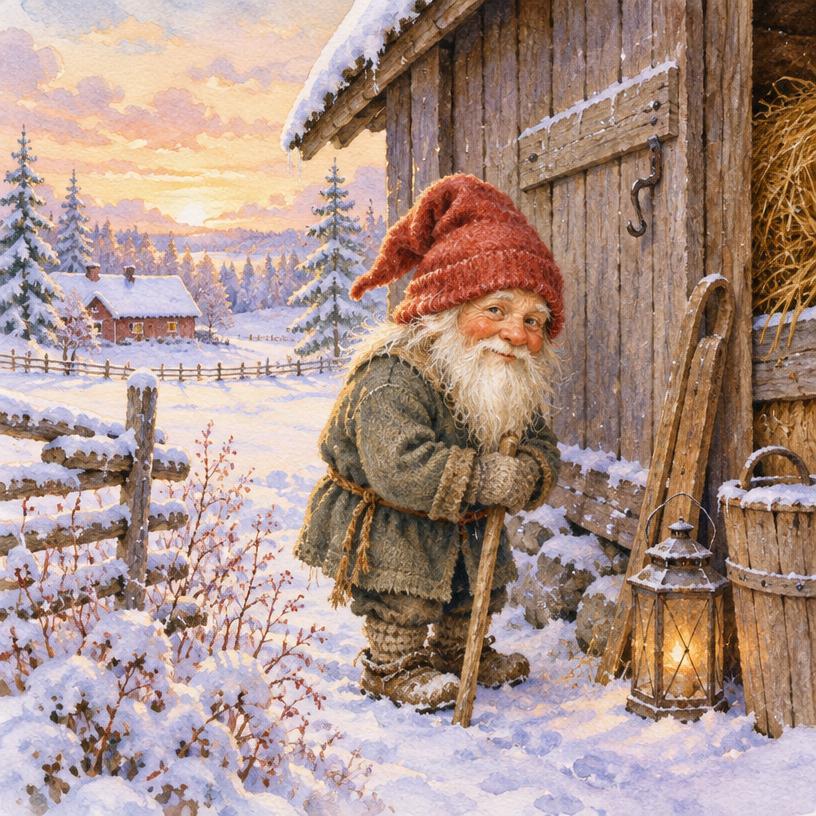
Tomte / nisse
Everyday care
Swedish farmstead folklore · related Scandinavian names
Swedish accounts describe the tomte as a small farmstead being associated with work, household and livestock care. Related names include nisse, with regional differences. The older farmstead being is not simply the modern Christmas character.
Traditional figure
Folklore figure
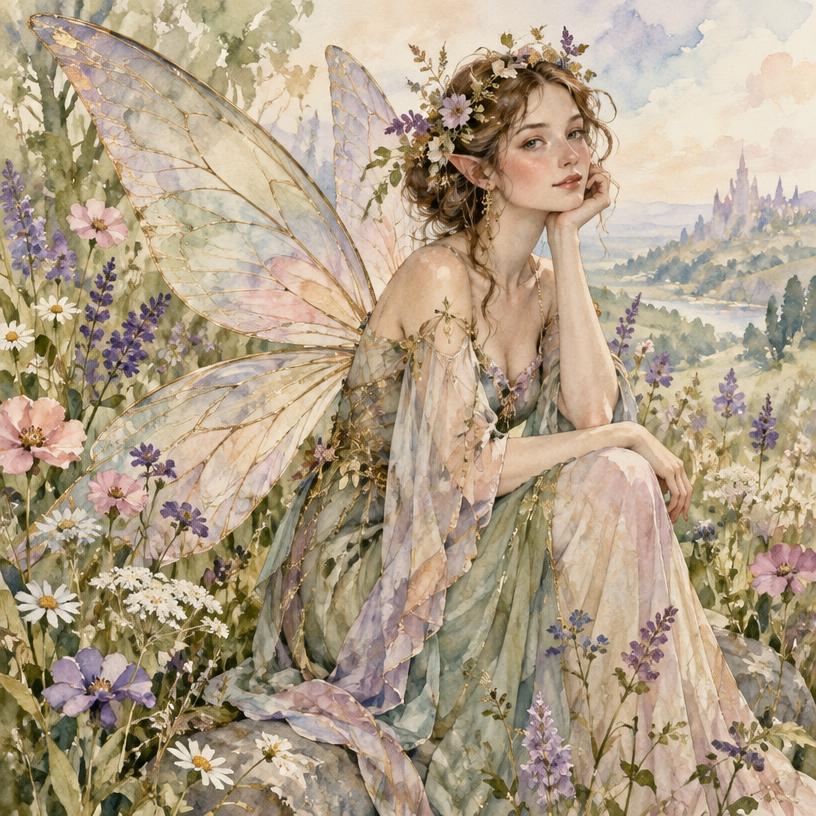
Fairies
Imagination & discernment
European folklore & romance · varied traditions
Fairy is a broad category rather than one consistent species. European accounts include powerful, helpful, mischievous or dangerous beings. A tiny winged fairy is one popular artistic image, not a universal historical description.
Traditional figure
Folklore figure
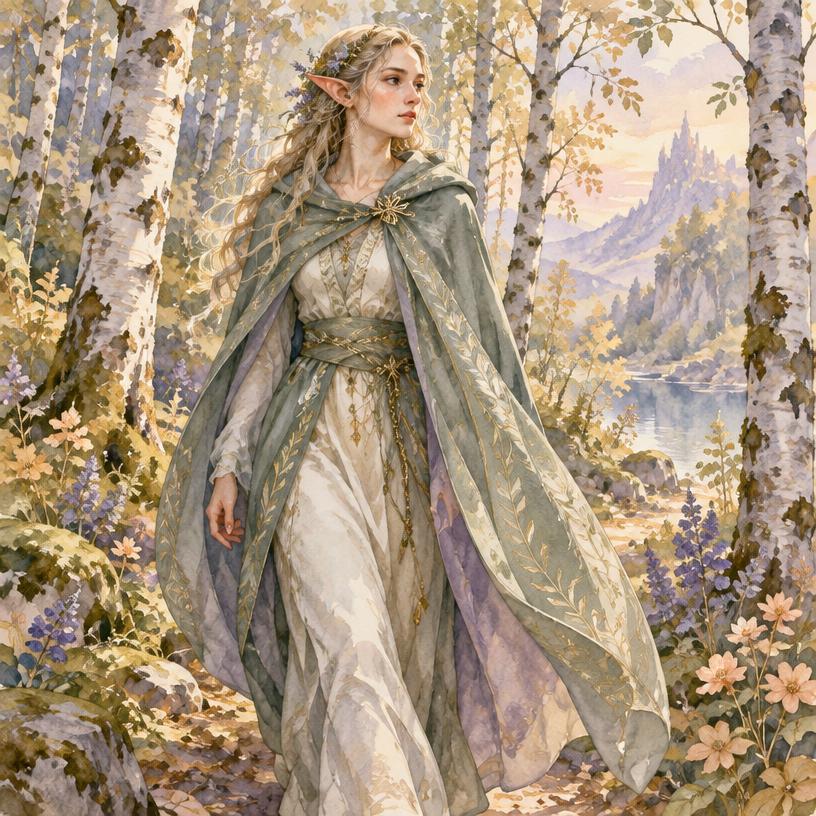
Elves
Attentiveness
Germanic folklore · later fantasy literature
Elf traditions vary over time and place; accounts include helpful, mischievous and harmful beings. The graceful pointed-eared character shown here is a modern fantasy interpretation, not a reconstruction of one historical belief.
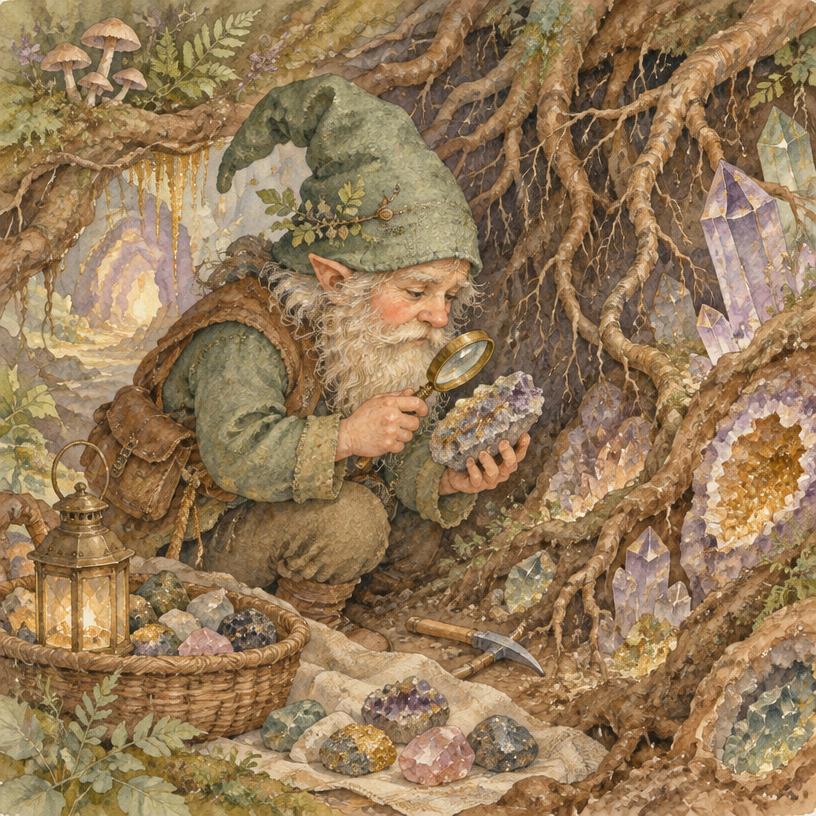
Traditional figure
Folklore figure
Gnomes
Grounded curiosity
Early modern European elemental literature
Gnomes are earth-associated beings in the sixteenth-century writings of Paracelsus. This early modern elemental concept is distinct from later decorative garden statues. It is not a scientific description of underground life.
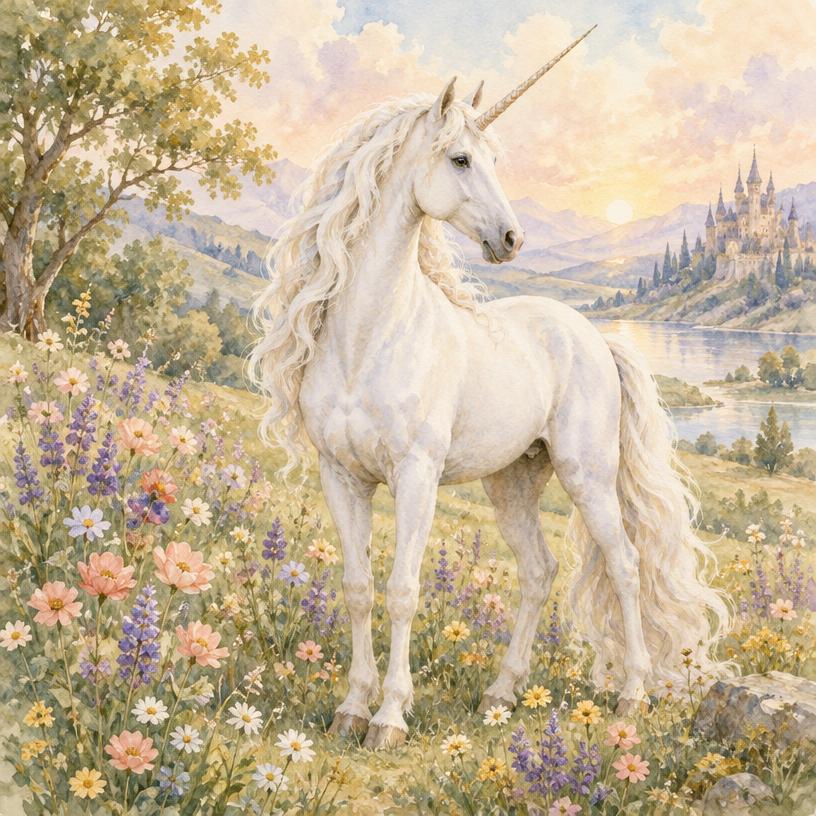
Traditional figure
Mythic creature
Unicorn
Integrity
Classical & medieval European bestiary traditions
The unicorn is a fabulous one-horned animal described in antiquity and medieval bestiaries. Medieval accounts could give it allegorical meanings. These texts document beliefs and symbolism, not the existence of a zoological species.
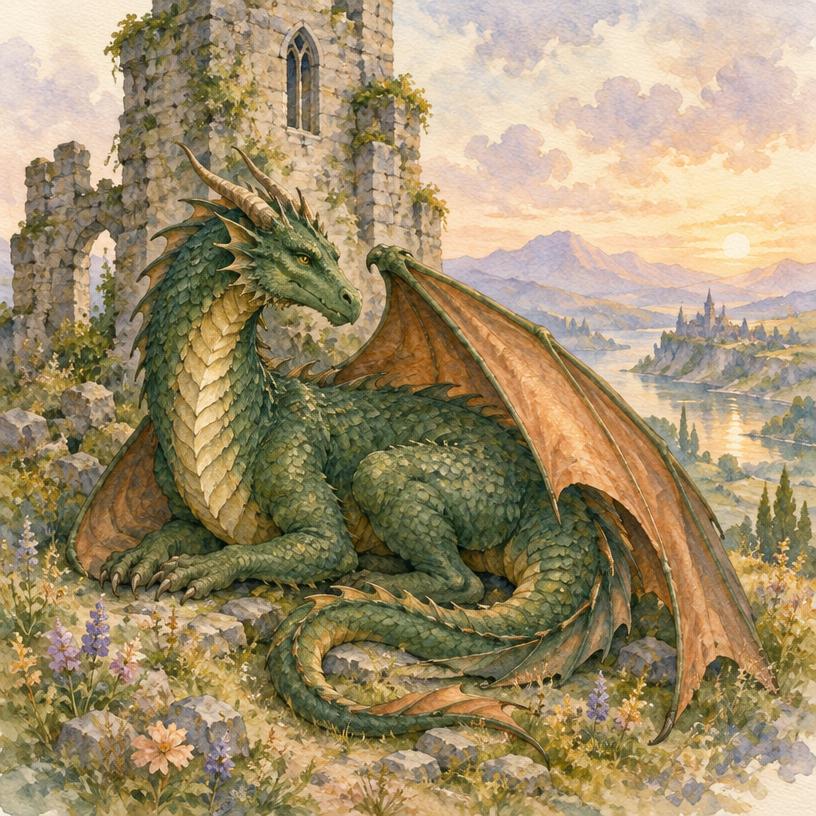
Traditional figure
Mythic creature
European dragons
Courage with limits
Medieval European imagery · varied stories
Medieval European dragons had varied forms, from lizard-like creatures to winged figures. Christian art sometimes shows dragons as opponents of saints, but manuscript and heraldic uses differ. These traditions are distinct from Chinese lóng and the original Lightkeepers Amaru.
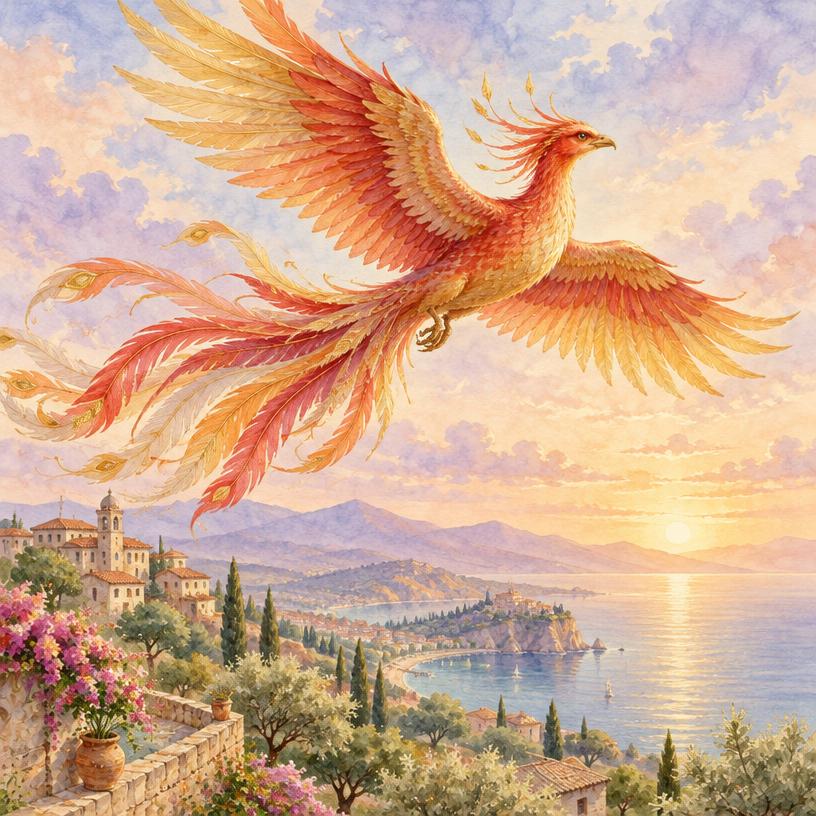
Traditional figure
Mythic creature
Phoenix
Renewal without pressure
Classical Mediterranean accounts
The phoenix is a legendary bird linked in Greek and Roman accounts with long life and renewal; versions differ. Its precise origins are uncertain. The Chinese fenghuang is a distinct figure even when translated as phoenix.
Traditional figure
Mythic creature
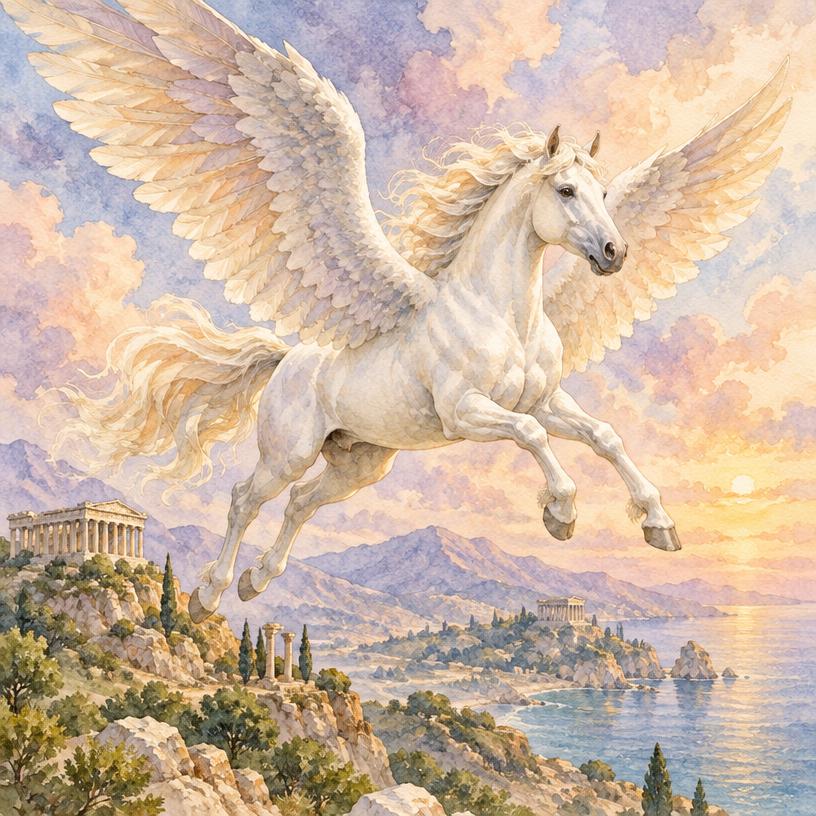
Pegasus
Creative possibility
Ancient Greek myth
Pegasus is the winged horse of Greek myth associated with Bellerophon and the Chimera. Later interpretations connected him with poetic inspiration. The illustration is contemporary and does not add a unicorn horn.

Traditional figure · Sacred figure · not a mascot
Sacred figure
Amaru · Andean serpent traditions
Respect for place
Andean iconography · Inca-related evidence
A Peruvian national museum describes amaru as a Quechua name for serpents recurring in Andean, especially Inca, iconography. Meanings and depictions require local context. This entry is separate from the original one-headed Lightkeepers fantasy dragon; it offers no ceremonial instruction or universal Andean doctrine.
Traditional figure
Mythic creature
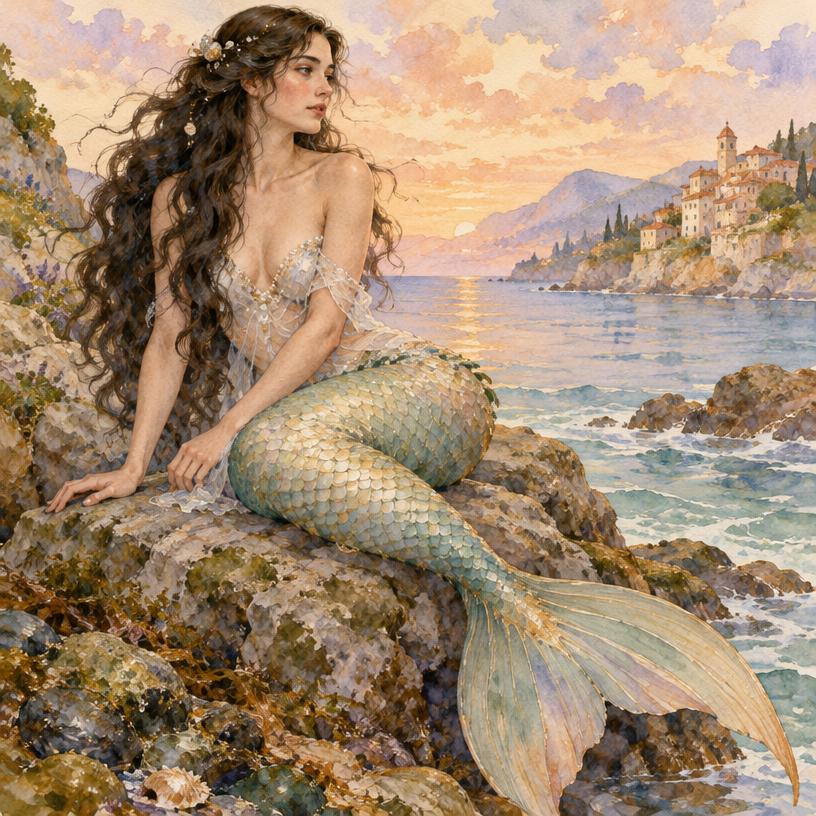
Mermaid · European literary imagery
Care for water
European folklore & literature · fish-tailed imagery
Fish-tailed human water beings occur in European folklore and literature with varied roles. This entry describes that artistic form, not every water spirit worldwide. Ancient Greek Sirens were commonly bird-bodied; Iara, ningyo and Mami Wata have separate contexts in this encyclopedia.
Scope & respectful boundaries
This is a selective introduction, not a complete representation of any people. Public sources do not grant permission to copy sacred designs. Iñupiat, Yup'ik and Unangax traditions are distinct and are not represented by the Inuit Sedna entry.
Illustration: AI-generated for Lightkeepers with Lovable image generation. Contemporary artistic interpretation, not a historical artifact or a licensed museum reproduction.